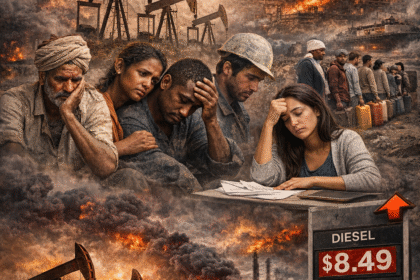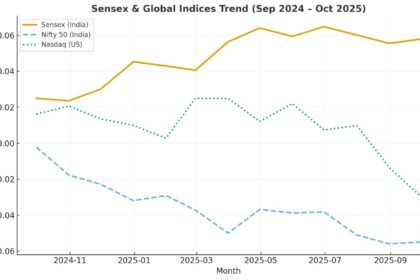




The ongoing conflict in the Middle East is no longer a regional issue—it is rapidly becoming a global economic trigger. From oil and fertilizers to food supply and jobs, the ripple effects are spreading across both developed and developing economies.
At the center of this crisis is one critical fact:
➡ Nearly 20% of global oil and gas flows through the Strait of Hormuz, a chokepoint now heavily disrupted. – Deloitte, Wikipedia.
When this artery slows or shuts, the entire global economy feels the shock.
The Core Problem: Energy → Chemicals → Food → Economy
This crisis is not just about oil prices. It’s about a chain reaction:
Step 1: Oil & Gas Disruption
- Oil prices spike
- LNG supply tightens
- Transport and manufacturing costs rise
Step 2: Petrochemicals Shortage
- Fertilizer production drops (urea, ammonia depend on gas)
- Plastics (pipes, irrigation systems) become expensive
- Industrial chemicals face shortages
➡ Nearly 50% of key fertilizer inputs move through the Gulf region
Step 3: Agriculture Hit
- Farmers reduce fertilizer usage
- Crop yields fall (wheat, rice, corn)
- Diesel costs increase (tractors, irrigation pumps)
➡ Fertilizer prices already rising 30–40%
Step 4: Food Inflation
- Food prices rise globally
- Dairy, meat, grains all impacted
- Poor countries hit hardest
2. Country-by-Country Impact
China — The Buffer Economy
- Large energy reserves
- Strong renewable capacity
- State control over supply chains
➡ China is not immune, but better protected than most
India, Pakistan, Bangladesh — High Risk Zone
- Heavy dependence on imported oil & fertilizers
- Currency pressure + inflation risk
- Government subsidies stretched
➡ Already:
- LPG rationing
- Fuel prioritization
- Budget stress
Japan & South Korea — Energy Shock
- Depend heavily on Middle East oil
- Japan imports ~90%+ via Hormuz
➡ Result:
- Higher electricity costs
- Industrial slowdown
Australia — Indirect Impact
- Export economy
- Hit via global demand slowdown
- Commodity volatility
UK, France, Germany — Developed but Vulnerable
- Already weakened by past energy crises
- High inflation sensitivity
➡ Natural gas prices already rising sharply
Africa — The Worst Hit
- High dependence on imported fuel & fertilizers
- Weak currencies and debt burdens
➡ Countries like Kenya, Somalia, Sudan face:
- Food shortages
- Inflation spikes
- Social instability
3. Middle East Itself: Boom or Collapse?
Saudi Arabia / UAE / Bahrain
Short-term:
✔ High oil prices = more revenue
But causing:
-Infrastructure attacks
-Investor panic
-Tourism decline
➡ Dubai markets already seeing sharp corrections
4. Global Cascading Effects
1.Inflation Surge
- Energy → transport → food → everything rises
2. Trade Slowdown
- WTO warns global trade growth could drop sharply
3. Private Credit Crisis
- Higher interest rates
- Businesses struggle to refinance
- Defaults increase
4. Jobs Crisis (Double Impact)
From War:
- Manufacturing slowdown
- Logistics disruption
- Export decline
From AI:
- Automation continues
- Fewer new jobs created
➡ Result:
“Job squeeze” — fewer jobs + higher cost of living
5. Three Possible Scenarios
Scenario 1: War Ends by April (Recovery Phase)
Impact:
- Oil stabilizes (but remains high)
- Supply chains slowly normalize
- Food inflation continues till October
Why effects remain:
- Fertilizer cycles already disrupted
- Crops already affected
Way Out:
-Government subsidies
-Strategic reserves release
-Temporary price controls
Scenario 2: War Continues 3–4 Months (Stress Phase)
Impact:
- Oil may cross $100–120
- Severe fertilizer shortage
- Food crisis in developing nations
Global Effects:
- Inflation spikes again
- Central banks delay rate cuts
- Economic growth slows sharply
Way Out:
-Diversify oil suppliers
-Emergency fertilizer imports
-Accelerate renewables
Scenario 3: War Continues Throughout 2026 (Crisis Phase)
Impact:
- Oil could reach $130–150
- Global recession risk rises significantly
- Food crisis becomes structural
Worst-hit:
- Africa
- South Asia
- Low-income economies
- Developed economies:
- Slower growth
- Market volatility
- Corporate layoffs
Way Out (Hard Mode):
-Massive global coordination
– Renewable energy acceleration
– Supply chain restructuring
6. The Big Insight
This is not just an oil crisis. It is a system-wide shock affecting:
- Energy
- Agriculture
- Trade
- Jobs
- Technology investment
- Even sectors like AI are at risk due to high energy costs
Final Takeaway
The Middle East conflict is exposing one truth. The global economy is deeply interconnected—and fragile. Countries with:
- Energy independence
- Strong reserves
- Diversified supply chains
will survive. Others will face:
- Inflation
- Food shortages
- Job pressure
At SalesBazaar.online, this is the kind of shift that defines the next decade—where geopolitics directly shapes everyday economics.